Stretch film is a type of stretchable material that can be applied over a load in order to protect it from damage. It’s used for many purposes, including wrapping items in the mail and protecting products before they are stored or transported, as well as protecting items from damage during shipping. If you’ve ever ordered something online and it came in a box, there’s a good chance some stretch film had been wrapped around the item to keep it safe on its journey through the mail.
Stretch film is the final step in your shipping process. It provides protection and security for your goods during transit. You can use it to wrap individual items or bundle together multiple packages. The stretch film wraps around boxes, pallets, crates, and more to provide a finishing touch that leaves you feeling ready for whatever lies ahead on the road ahead.
After the required inner packages and huge cartons have been chosen and goods contained in them, the next phase of business taking the products to market, ensuring that they land safely at wholesale entities and retail ventures, and ultimately making them available to the hands of consumers. And while having your goods reach potential customers is essential, many factors can slow down this process before it even starts, significantly impacting marketability and profitability.
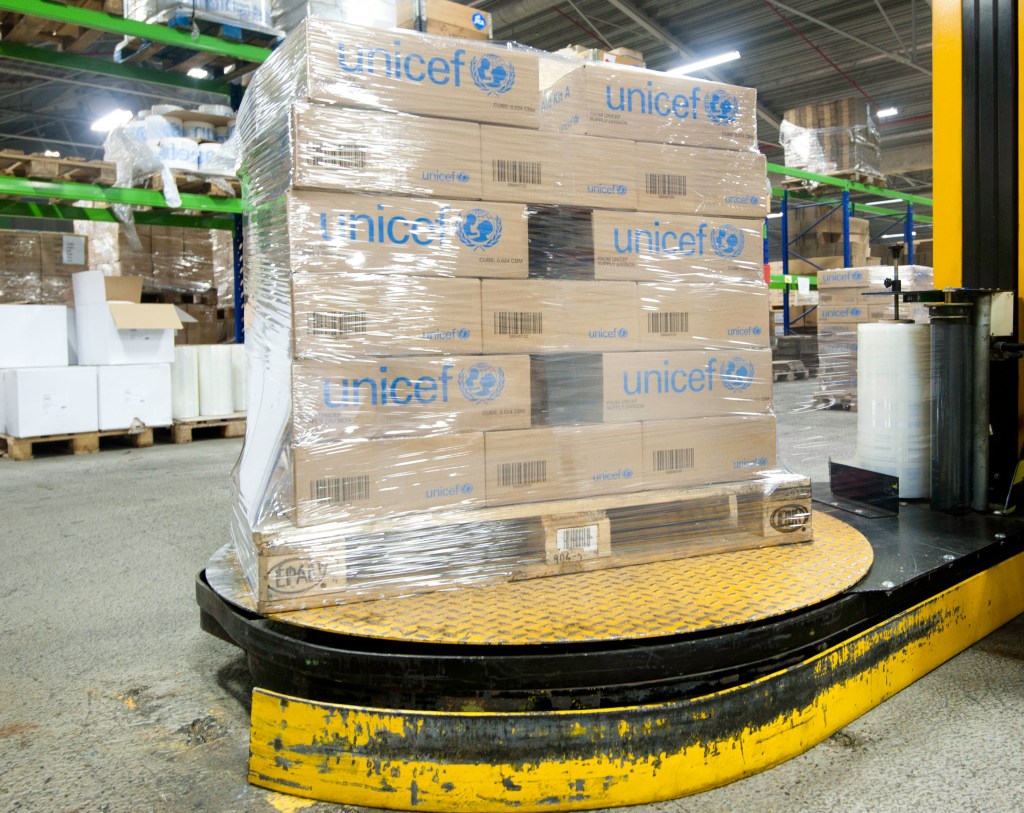
When it comes to stretch films, you have two choices: manual or machine. Manual wrapping is done by hand and can be completed in a fraction of the time it takes for machines to do the same job but with far less dexterity. Machines wrap at a much faster pace but require more equipment and manpower to operate them than is needed for manual wrapping.
Each type of stretch film has its own unique qualities that may or may not be beneficial, depending on the needs of your business. For example, thicker films are stronger in their tensile strength (resistance to breaking), but, on the other hand, thinner films are better at preserving product freshness.
Films applied for special purposes include types with in-built anti-static agents and options of assorted colors, glosses, and materials. Choosing the right stretch film for your application can be a challenge, so it’s important to understand what each type of stretch film is best suited for, when to use them, and the key benefits they offer.
When shipping smaller loads, you don’t need the extra protection of stretch film. When using a wrapping method other than stretch to bundle small items, your organization can save money on supplies while still protecting shipments from damage, such as dirt and dust.
You can wrap small items with a variety of materials, such as bubble film or paper wrappings. With the right supplies on hand, you’ll be ready for any type of shipment – no matter how large or small it is! You may even get by without using anything but newspaper to protect your shipments, although that’s not the most cost-effective option.
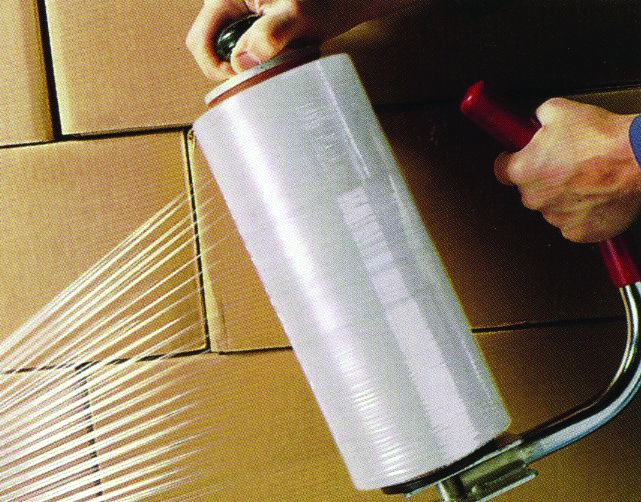
You can also use stretch film when shipping smaller loads if you want to avoid having items move around in transit, but it might be more economical to purchase a cheaper wrapping material depending on your budget, such as natural craft paper. Stretch film can also be used for smaller loads to bundle newspapers and magazines together in preparation for recycling or delivery.
 Flexible Packaging Home