Compostable Packaging

Many companies have set goals to make all of the packaging materials they use 100% recoverable by 2025. With packaging sustainability becoming a more popular topic, many brands are curious whether they can use compostable packaging to meet eco-friendly goals
Compostable packaging materials tend to break down in composting facilities without leaving any toxic residue behind. In most markets, some rules and regulations signify what makes a material compostable. Nonetheless, you must first figure out whether or not using compostable packaging materials is the right fit for your brand before pursuing a design and certification.
Here are the types of packaging that can be designed to be compostable.
Packaging for foods in grocery stores and foodservice outlets
Foodservice packaging for restaurants, closed-loop venues, cafeterias, and grocery stores is the right candidate for being compostable. Packaging materials belonging to this category include salad bowls, takeout containers, taco trays, associated napkins, and soup bowls. These packaging materials are usually covered in food residue
Wasted foods contaminate packaging materials, making them unfit for recycling. On the other hand, these food wastes can play an active role in making food packaging materials compostable. Rerouting food wastes away from landfills can help prevent methane emissions significantly. Instead, it can pull carbon from the air during the composting process.
Such a category of food packaging can help guide people to discard them in composting bins instead of recycling bins. The compostable packaging itself can be a viable source of carbon for soil during the composting process.
Non-recyclable food-contact packaging
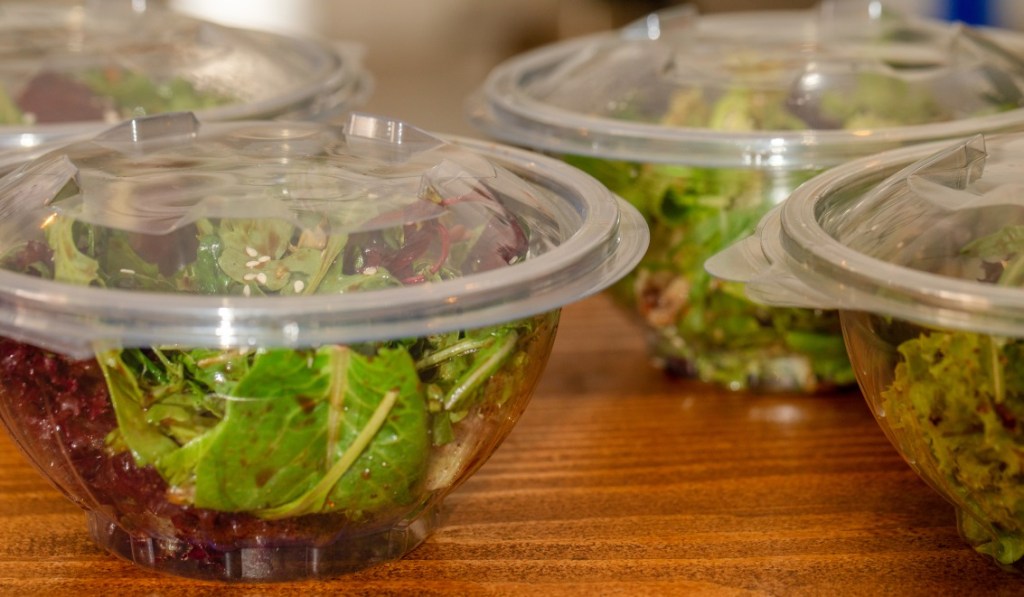
Many foods in grocery stores come in packaging that is not recyclable. You may have seen the packaging of meat, cheese, frozen foods. This packaging is usually non-recyclable, consisting of plastic films, lined paper trays, or foam. These packaging materials are not readily recyclable, mainly due to the types and materials and leftover food residue.
Bioplastics, on the other hand, provide a nice alternative to such packaging films. Such packaging materials are also compostable. Even if they contain leftover foods, you can throw them in composting bins. Companies willing to use this packaging option have to make sure to design food packaging in the right way and get it certified by a reputable authority.
Fiber packaging that becomes wet

Fiber packaging is yet another option that is good for composting. This option is most suitable for meal kits and grocery delivery. This packaging doesn’t remain recyclable when it gets wet due to contact with cold gel packs or products inside.
This material comes in the form of uncoated corrugated paperboard, and it is usually highly compostable. However, consumers must understand whether they can recycle or compost this material. It requires companies to label their packaging correctly to let their customers know how to dispose of these materials.
The first requirement for companies, however, is to make sure that they can use compostable packaging materials. Using these materials when recyclable packaging is the right choice can turn out to be counterproductive.
 Flexible Packaging Home